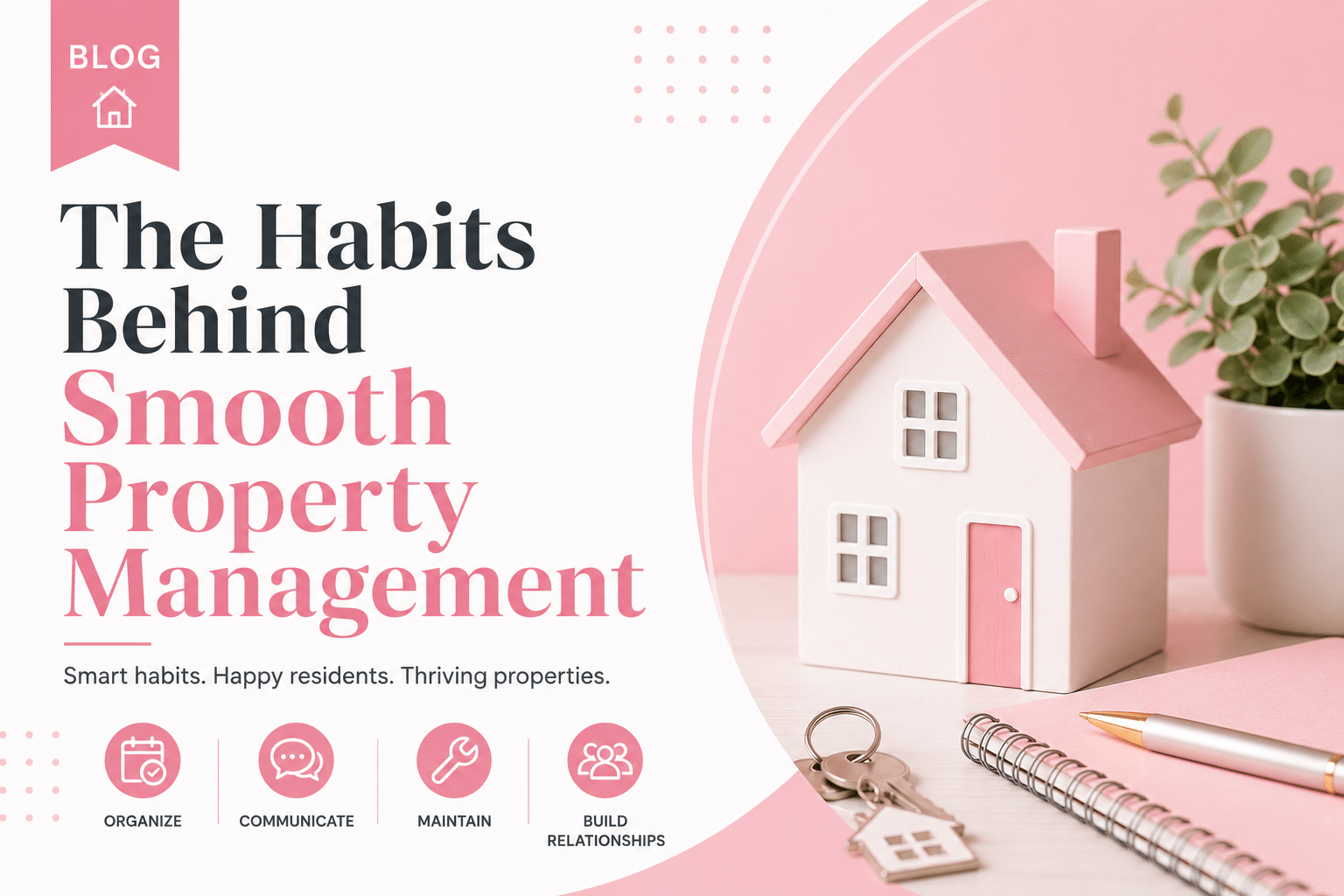
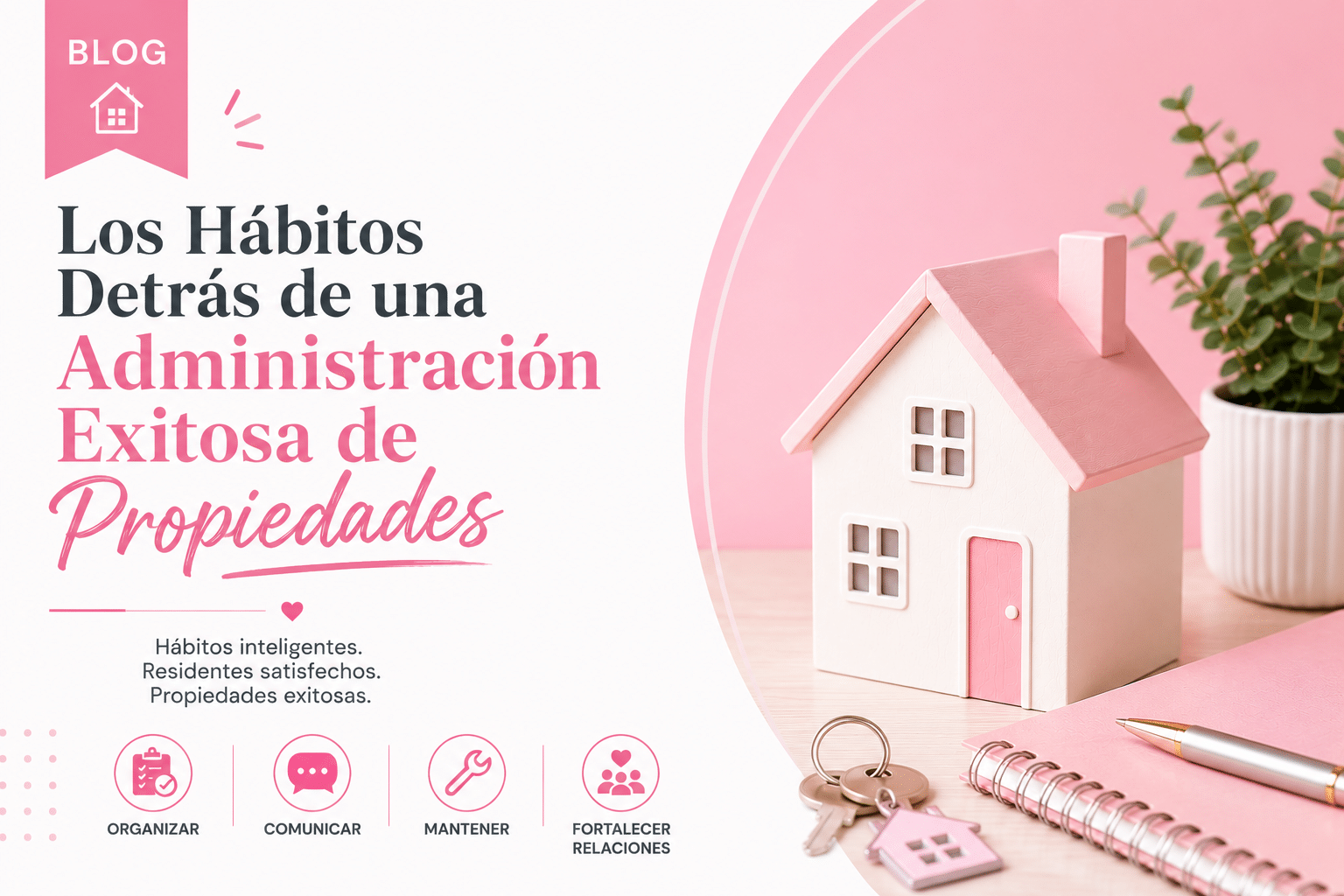
The Habits Behind Smooth Property Management
Successful property management doesn’t happen by accident. Behind every well-maintained property and satisfied tenant is a collection of habits that help keep everything running smoothly.
While every property is different, the most effective property managers share common practices that improve organization, communication, and overall resident satisfaction.
Staying Organized Every Day
One of the most important habits in property management is organization.
Keeping track of maintenance schedules, inspections, lease renewals, and tenant communications helps prevent important details from being overlooked. A structured approach allows managers to respond quickly and efficiently when issues arise.
Good organization creates a better experience for everyone involved.
Communicating Clearly and Consistently
Strong communication is at the heart of successful property management.
Whether responding to maintenance requests, sharing updates, or answering tenant questions, clear communication helps build trust and reduce misunderstandings.
Residents appreciate knowing they can rely on timely and professional responses.
Addressing Problems Early
Small issues rarely stay small for long.
Property managers who address concerns quickly can often prevent larger and more expensive problems from developing. Routine inspections and prompt maintenance help protect both the property and the tenant experience.
Being proactive saves time, money, and stress.
Prioritizing Preventative Maintenance
Smooth property management often starts before problems appear.
Regular maintenance, seasonal inspections, and preventative care help keep properties in excellent condition while reducing emergency repairs.
Investing in preventative maintenance is one of the smartest habits a property manager can develop.
Building Positive Relationships
Successful property management is about people as much as properties.
Respectful interactions, active listening, and a commitment to solving problems help create stronger relationships with residents.
When tenants feel valued, they are more likely to communicate openly and remain long-term residents.
Staying Flexible and Solution-Oriented
Unexpected situations are part of property management.
Whether handling maintenance emergencies or tenant concerns, staying calm and focused on solutions helps managers navigate challenges effectively.
Flexibility often leads to better outcomes for everyone.
Committing to Continuous Improvement
The best property managers are always learning.
Reviewing processes, seeking feedback, and looking for ways to improve efficiency can lead to better service and stronger property performance over time.
Small improvements often create significant long-term results.
Final Thoughts
Smooth property management is built on consistent habits rather than occasional effort.
Organization, communication, preventative maintenance, and strong tenant relationships all contribute to creating a positive experience for residents while protecting the value of the property.
When these habits become part of everyday operations, everyone benefits.