Property Management Tips Every Landlord Should Know
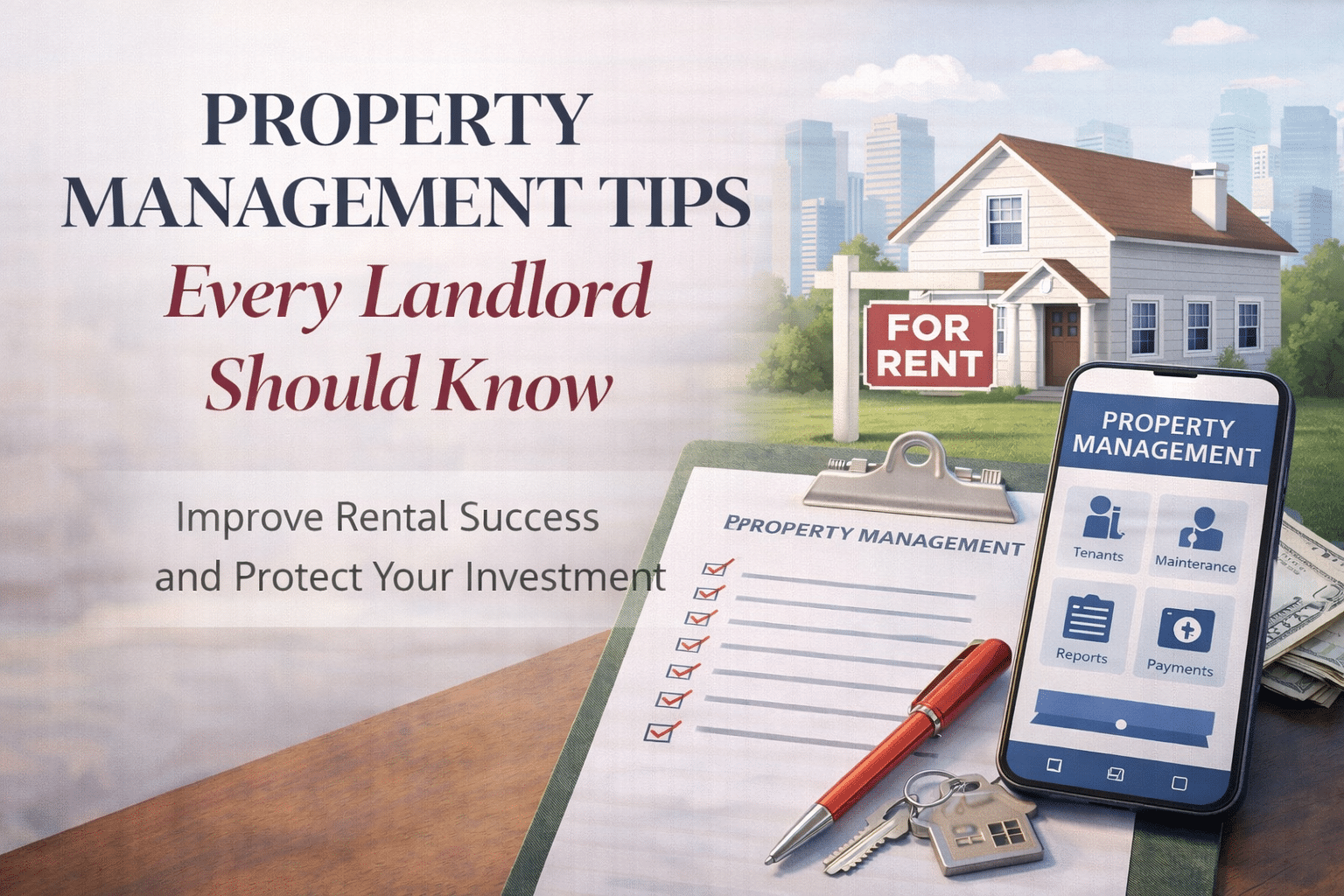
Owning rental property can be a rewarding investment, but successful property management requires more than simply collecting rent each month. Landlords must balance tenant relationships, property maintenance, financial planning, and legal responsibilities.
Without proper systems in place, even a profitable property can quickly become difficult to manage. Implementing a few key property management practices can help landlords protect their investment, reduce stress, and maintain consistent rental income.
Below are essential property management tips every landlord should consider.
1. Treat Your Rental Property Like a Business
Many landlords make the mistake of managing their property casually. Rental properties should always be approached with a professional mindset.
Managing your property as a business means:
- Keeping detailed financial records
- Documenting communication with tenants
- Maintaining organized lease agreements
- Tracking maintenance expenses
A structured approach helps landlords stay organized and protects them in the event of disputes or legal issues.
2. Maintain Clear Communication with Tenants
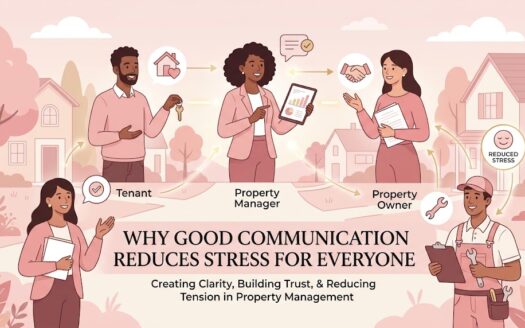
Communication plays a major role in tenant satisfaction and lease renewals.
Tenants should always know how to contact the landlord or property manager when issues arise. Providing clear instructions for maintenance requests, rent payments, and emergency situations helps prevent confusion and delays.
Good communication also builds trust and encourages tenants to report issues early, which can prevent larger problems later.
3. Conduct Regular Property Inspections
Routine property inspections allow landlords to identify potential issues before they become costly repairs.
Regular inspections can reveal:
- Minor plumbing leaks
- HVAC maintenance needs
- Signs of property damage
- Safety concerns
- Unauthorized occupants or pets
Scheduling inspections periodically ensures the property remains in good condition while reinforcing lease expectations.
4. Establish a Preventative Maintenance Plan
One of the most effective ways to reduce repair costs is through preventative maintenance.
Routine services such as HVAC inspections, plumbing checks, and roof inspections help extend the life of major systems and reduce emergency repair expenses.
A preventative maintenance schedule also keeps the property attractive and functional for tenants.
5. Stay Informed About Local Rental Laws
Landlord-tenant laws vary by location and can change over time. Failing to follow local regulations can lead to legal complications and financial penalties.
Landlords should remain informed about rules regarding:
- Security deposits
- Eviction procedures
- Fair housing laws
- Lease termination requirements
Understanding these regulations helps protect both the landlord and the tenant.
6. Focus on Long-Term Tenant Retention
Finding new tenants can be expensive and time-consuming. Marketing, screening, cleaning, and vacancy periods all impact profitability.
Encouraging good tenants to stay longer can significantly reduce these costs.
Ways to improve tenant retention include:
- Maintaining the property well
- Responding quickly to maintenance requests
- Communicating respectfully and professionally
- Offering reasonable lease renewal terms
Satisfied tenants are more likely to renew their lease, providing landlords with stable rental income.
Successful property management requires organization, communication, and proactive planning. Landlords who treat their rental properties as long-term investments are more likely to experience stable income, fewer disputes, and better property performance.
By implementing strong property management practices, landlords can protect their assets while creating a positive experience for their tenants.